

I really like designing for small sites; they force every decision to have purpose. The views, energy flows, entrance to the site, budget, and utilities constrain a design in such a way that everything gets placed in the home according to physical practicality instead of more arbitrary (though sometimes fun) geometric abstractions. Once you’ve gotten the design right you can feel that more powerfully than when it just looks “nice”.
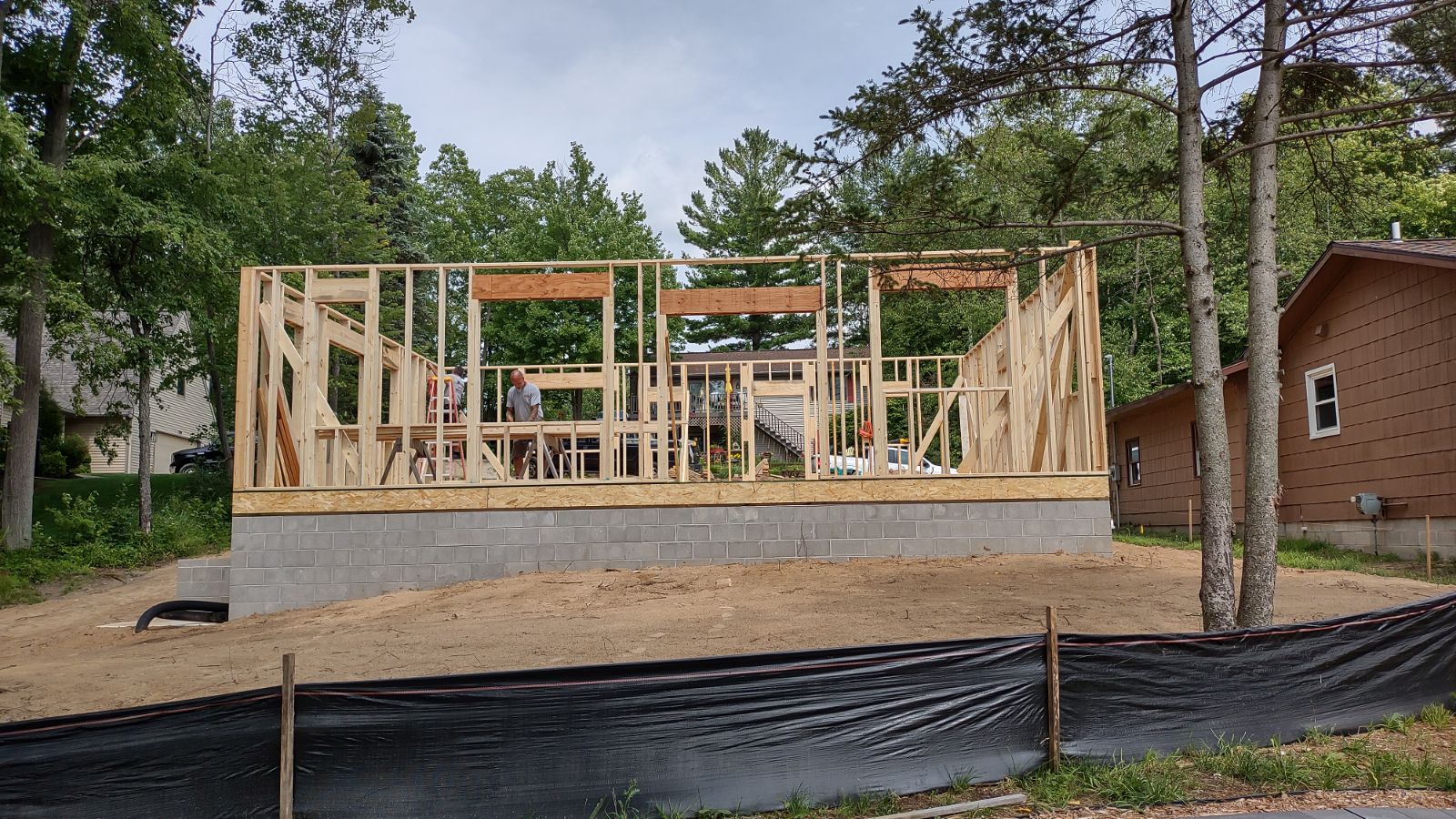
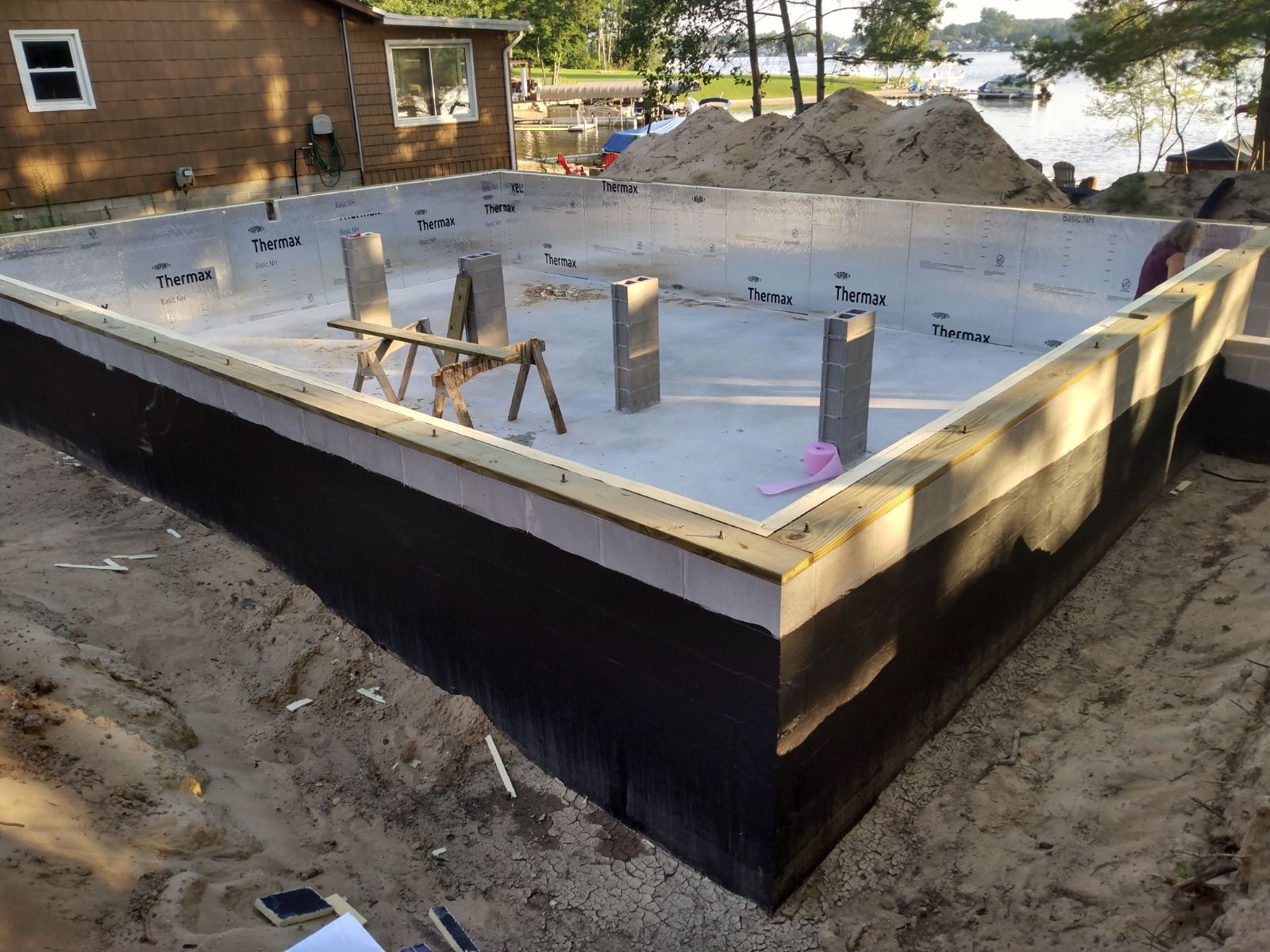
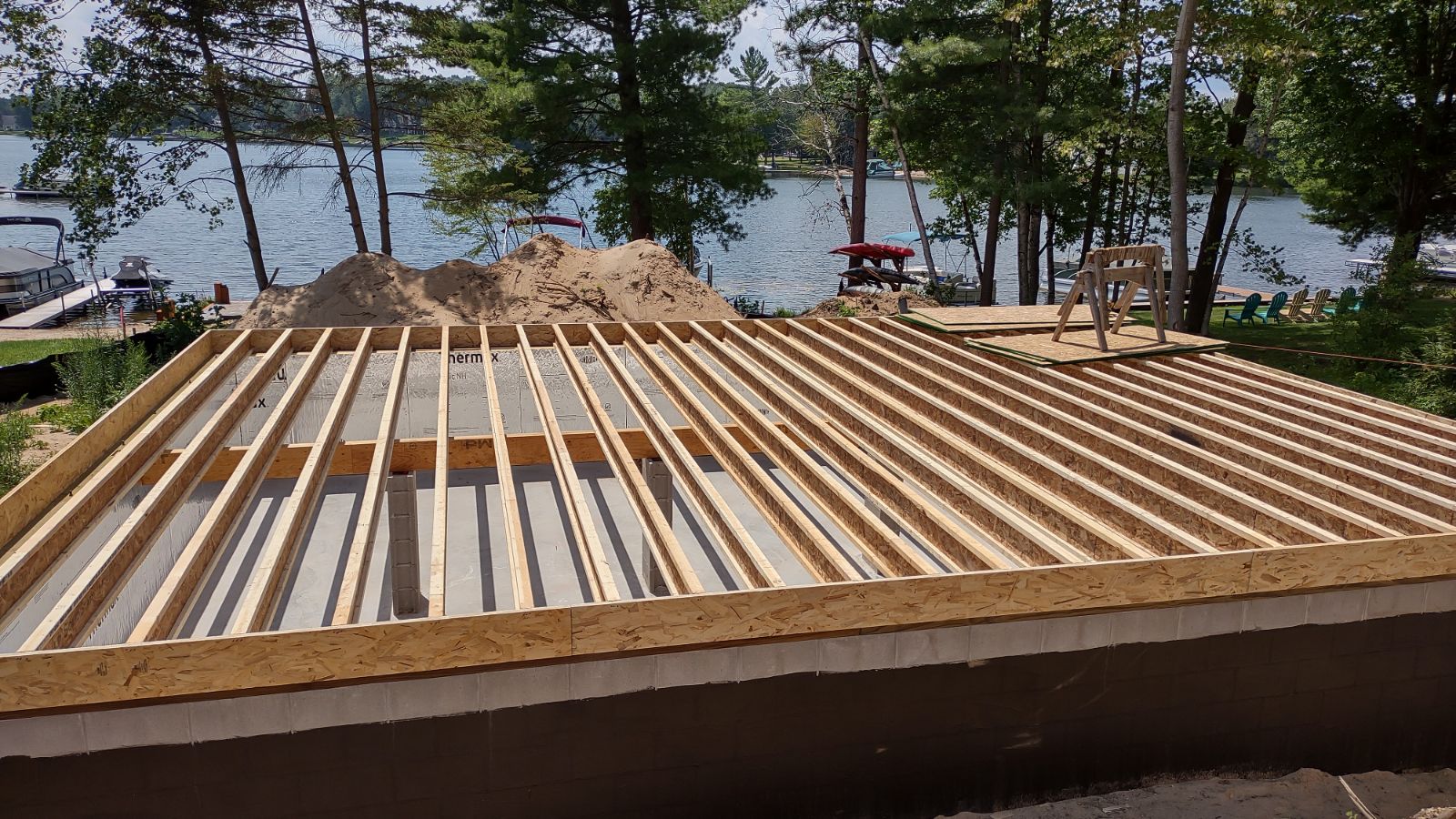
This house has a first floor bedroom for universal design while the guest bedroom and loft occupy the space under the roof. The footprint of the house is a simple rectangle using a 2 foot module which makes construction so much cheaper and reduces waste significantly. The mason only had to cut 4 blocks for the whole foundation and it was just for the access door.
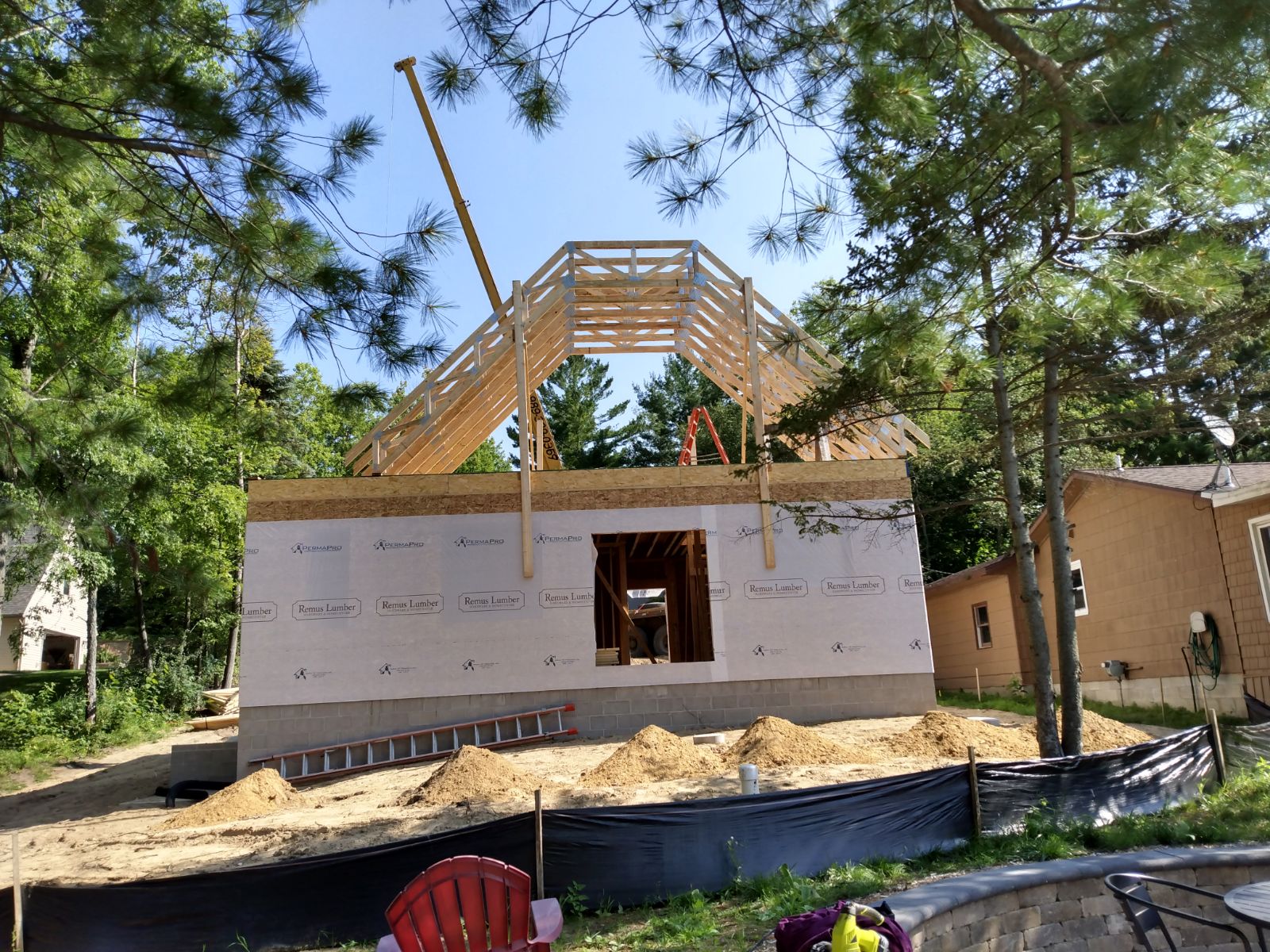
I had originally designed the house using attic style roof trusses, but the truss manufacturer came up with a clever parallel chord truss design so that we could have even nicer spaces upstairs without sacrificing the cost savings of truss based roof systems. The parallel chord style has the added benefit of being able to use blown-in cellulose for all of the roof insulation, while standard attic trusses usually need at least a little spray foam at the sloped ceiling areas to get up to code minimum insulation levels.
Do not underestimate the power of quick renderings of options during design: from early on to when finishes are being picked. It takes more setup time early in the design but it allows client understanding of the house much easier. The renderings can be quick and don’t need to have magazine detail yet in early design. It lets everyone test the feeling of different rooflines, window layouts, trim styles, etc. with ease so that informed choices can be made. It can have an added benefit of pushing choices earlier as well, ultimately leading to less design rework later in design. The slideshows below shows the evolution of the waterfront façade and alternate living room window patterns:
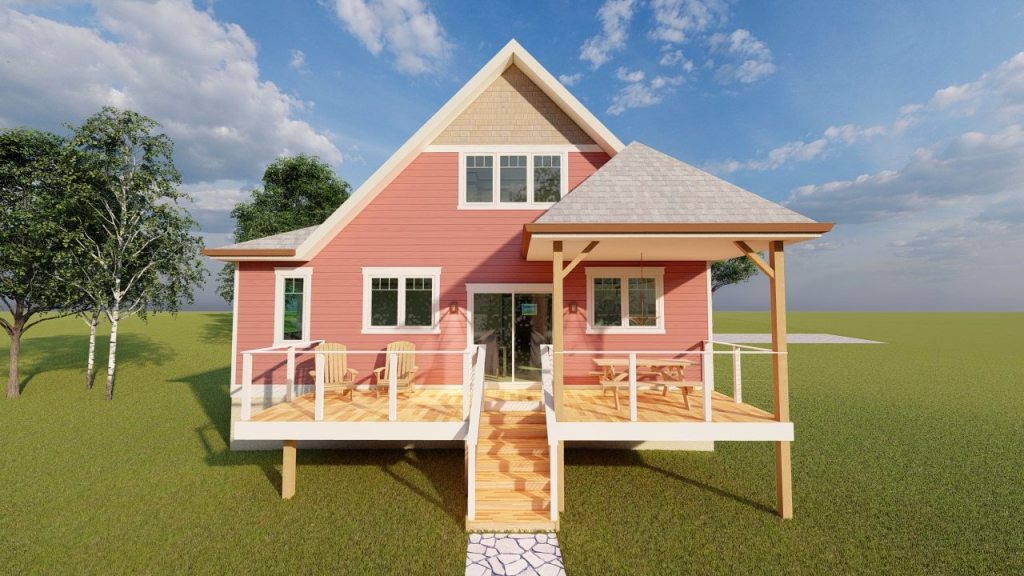
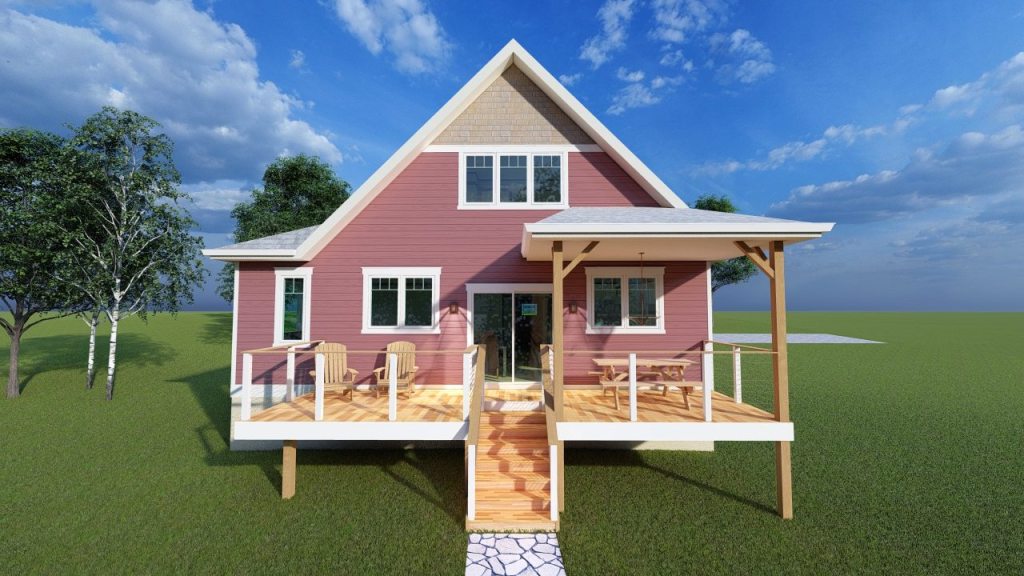


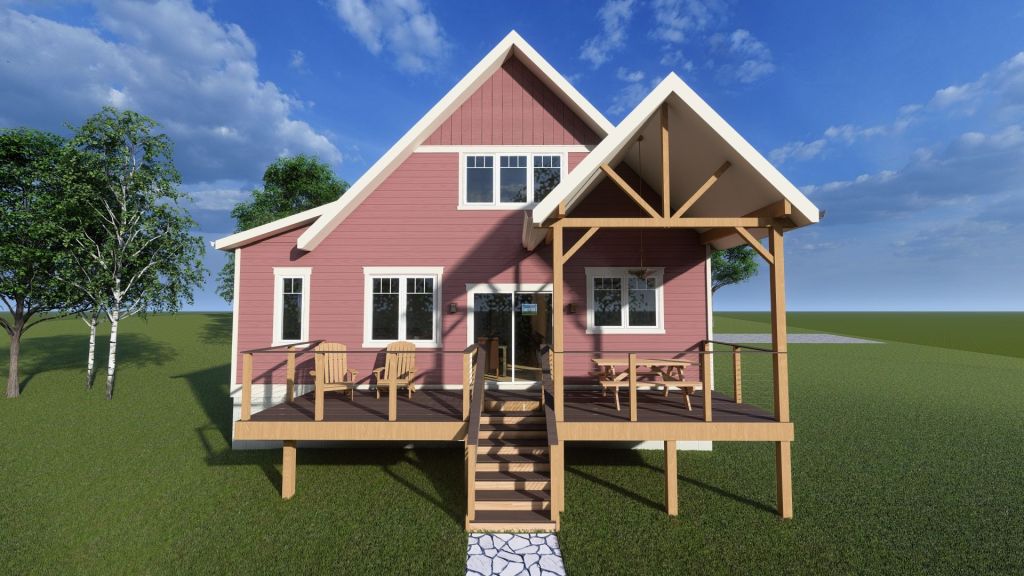

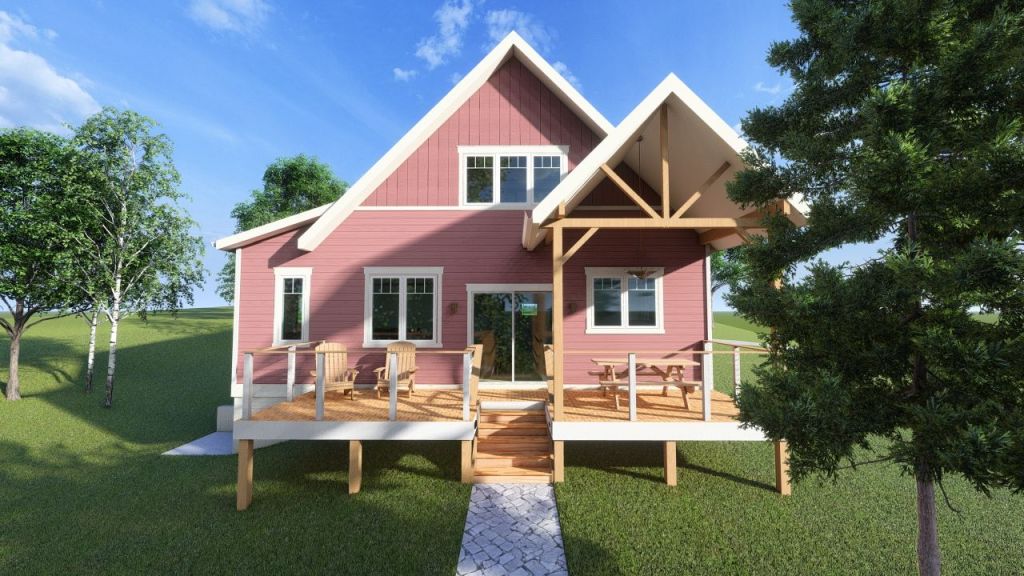


I use a very simple but powerful Revit / Lumion workflow for rendering, leveraging Revit’s unlimited capability for precision and detailing with Lumion’s fun interface, great palette of objects, and lighting control.
A certain magic happens if you update them as things change during construction; I know it usually doesn’t happen, but I encourage you to try it out. As the site and building get more detailed amazing things start to happen with the renderings: they start to look very real.

 The Housing Lab