Posts Tagged With: community

“Birdland” The Village

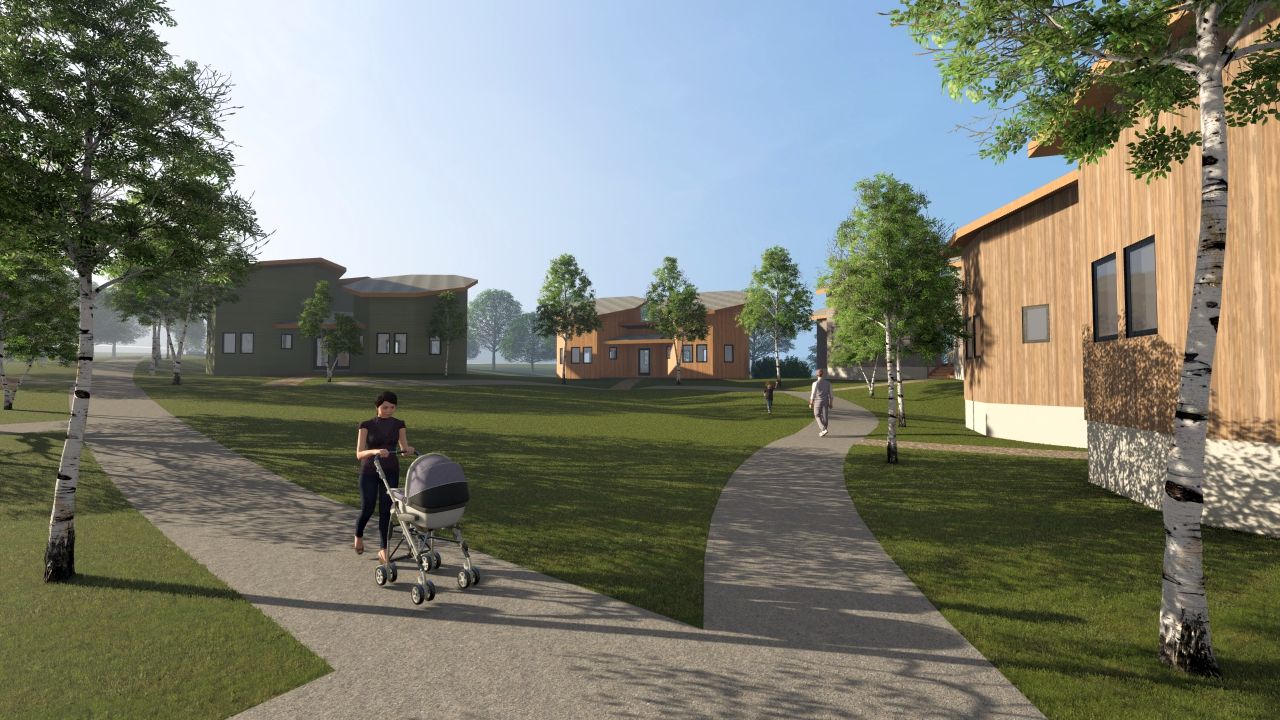
We can begin to tackle both the housing and loneliness crisis when clever, compact, kit housing design and clever site planning work together to create a neighborhood that feels like a village.


An Octagonal Housing Solution
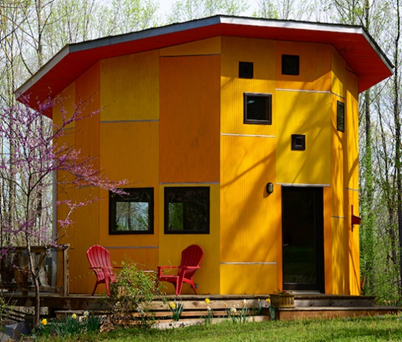
The team at Sculptorhouse believes it is possible to create housing that can provide this for many of the people that currently do not have access to such a home.  Sculptorhouse creates affordable housing that looks and feels like luxury housing.

They have designed, engineered, and prototyped a low-cost, eco-friendly house kit –The Octagonal Living Unit (OLU), to creatively address the many aspects of the housing crisis. The design for the OLU draws on the founder’s thirty-year career as a sculptor to create something unique and visually appealing but also beautifully proportioned and spacious. By creating the house in the same way a sculptor creates art multiples (like Rodin’s The Thinker that is modeled once and cast in bronze many times) Sculptorhouse is able to significantly reduce the per-unit cost. The octagonal shape increases efficiency in floor space, heating and cooling, and resistance to wind and seismic events. The result is a house of high quality and high visual appeal but at an affordable cost.

An octagon encloses twenty percent more floor space with the same materials as a rectangle. It is more efficient to heat and cool and more resistant to wind and seismic events. The interior space of an OLU is an open-plan space, giving long sight lines across the space and a breathtaking 16-foot-high cathedral space in the living room. The Sculptorhouse octagon is light filled from all points of the compass, allowing the sun to light it up with a glow in the early morning to the late afternoon.

This powerhouse little dwelling is built from an innovative building system that uses materials – galvanized steel and expanded polystyrene – that cannot be destroyed by water, will not rot, has no nutritional value for any vermin, and will withstand extremely high winds and severe earthquakes. Sculptorhouse kits are made from components that are created by manufacturers already operating at high capacity: the structural insulated building panels (SIPS) come from Thermasteel and the windows and doors come from Marvin. The small amount of lumber is sourced from local building suppliers. Most homes use thousands of elements. Sculptorhouse kit homes are built with SIPS panels that serve as structure, insulation, sheathing, and vapor barrier on one piece so they use about two hundred parts, creating significant savings in labor costs and time at the job site. When situated on permanent foundations and framed from steel, they are more resistant to wind and seismic activity than conventional homes.


A Pocket Village Solution
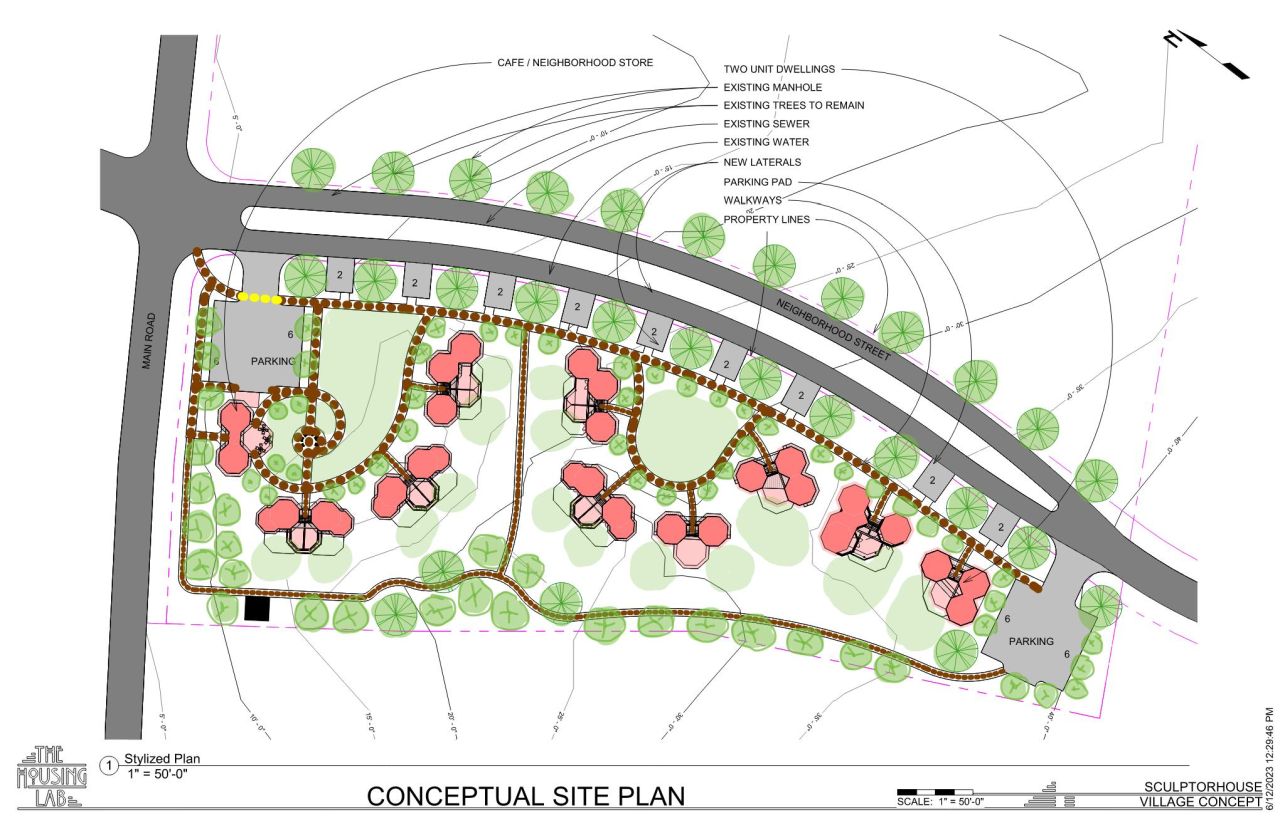
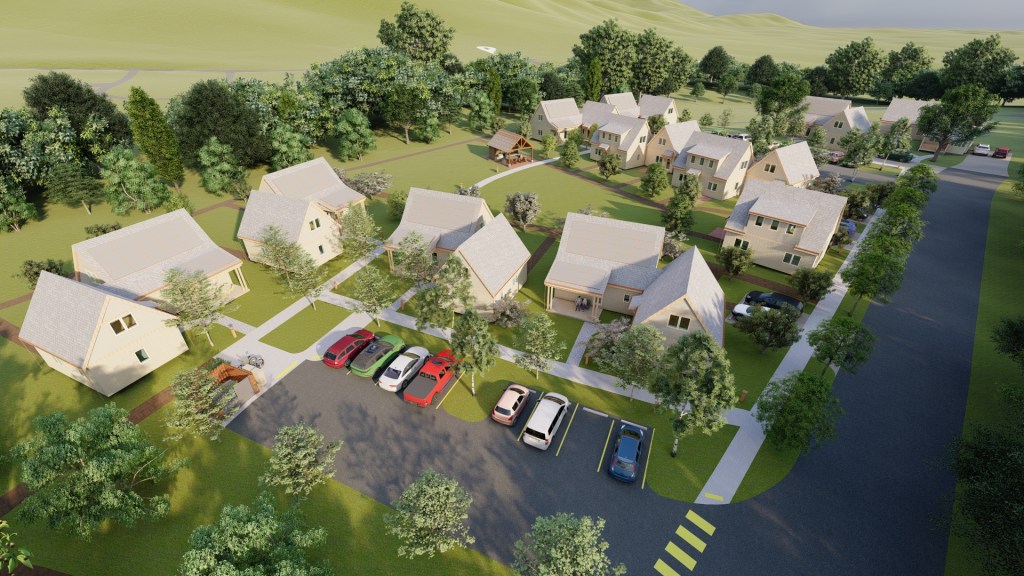
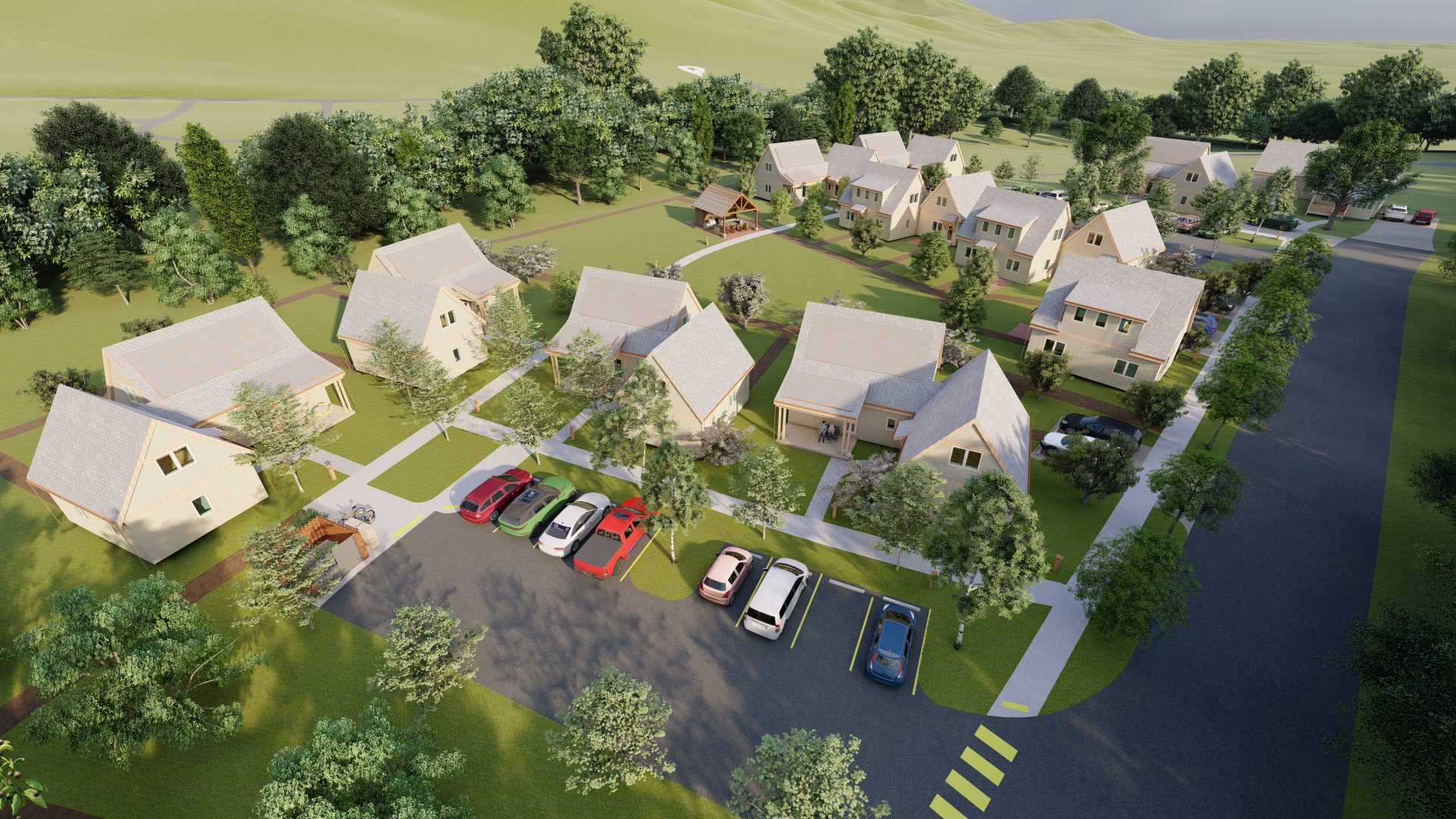
The site studied by The Housing Lab is located within a bikeable mile of downtown with water, sewer, and electric next door. It is a previously cleared infill site situated between a suburban neighborhood that is populated with mid-century ranches and a fairly dense development of townhouses. The design that will integrate best with the neighborhood is something that is a bridge between the townhouses and the single-family houses. The plan uses two-story versions of the Octagonal Living Unit connected in various ways to create two family dwellings in a variety of configurations.

  The concept for the site plan is unique in a few subtle but powerful ways:

  1. The parking is pushed to the edges of the site which not only costs less by building less impermeable driveway surface, but also opens the interior of the site for more shared greenspace.
  • The structure on the corner of the main road and next to the parking area is intended to be a neighborhood cafe or general store, creating a third place to walk to for the surrounding neighborhoods and bringing life to the corner.
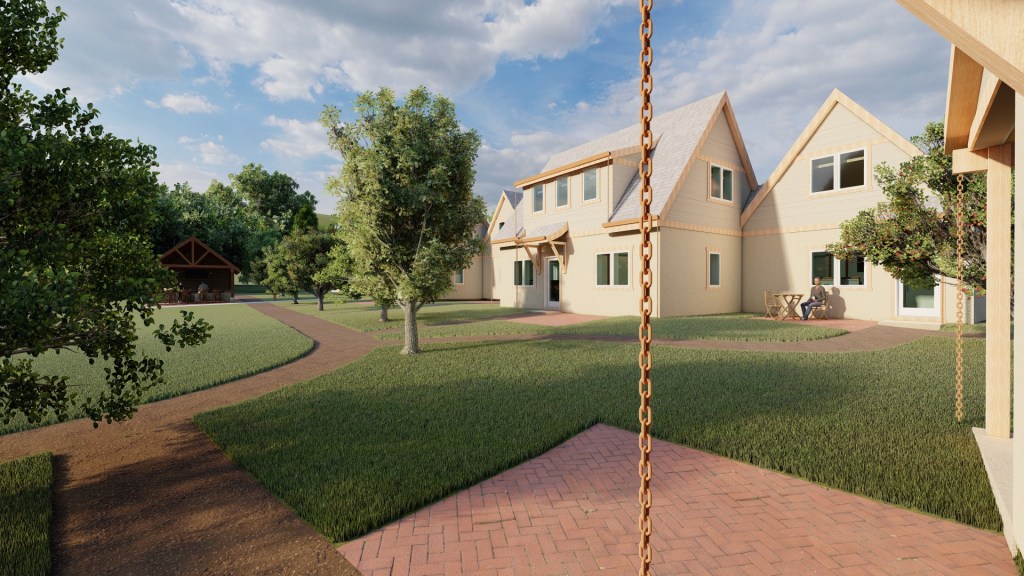
  • The houses are arranged to create two public greenspace “rooms” that lead to most of the main entrances, encouraging spontaneous conversations for adults and playdates for children.
  • Even though the houses are attached as two-family dwellings, the unique angles of the Sculptorhouse units and the way they are attached create a private back yard for all the houses.
  • As a benefit for the entire community, a walking trail runs along the back of the site
  • The concept is flexible enough to be applied to the many different shapes and topography of infill sites, like this second site just around the corner from the first site studied. Its location doesn’t make a commercial space viable, but all the other patterns fit nicely. This site design preserves its seasonal stream buffer and wooded areas by focusing the neighborhood only on the previously cleared areas next to the existing roads and services.

Contact The Housing Lab or Sculptorhouse if you would like more information or are interested in bringing this kind of concept to life!
Categories: Uncategorized | Tags: , , , , , | Leave a comment

Mcallister Village: Walkable, Adorable, Affordable

The Mcallister Village concept is to create a neighborhood of small starter homes a short walk from coffee shops, restaurants and the future downtown Crozet. The site is designed to push the parking to the outside, create courtyard entries to all the houses, open up a shared central green with a shared pavilion, and be enhanced with perimeter walking trails. This idea was inspired by The Boiceville Cottages in Brooktondale, NY not far from Ithaca, NY

The houses will be compact one bedrooms with lofts attached to compact lofted two bedroom or three bedroom houses. The one bedroom houses fit somewhere in-between apartments and single family detached houses in the market; a segment largely ignored for decades due to outdated zoning codes. The houses utilize a versatile lofted design to provide more storage and living area for singles, couples and young families. The construction details are simple and elegant; reducing cost, increasing thermal efficiency and maximizing space.

The proposal asks to either fix the blatant mathematical errors in the R-2 zoning code or rezone the property to PRD (Planned Residential Development) from R-2 to allow for our creative redesign. The total amount of families would be the same as by-right, but the by-right attached accessory units (adus) would be expressed as more desirable attached one bedroom cottages that can be bought or rented separately:

This project is currently shelved unless a forward thinking developer wants to take on securing the property and going through the county rezoning process. Contact us for more information

Categories: Architecture, Communities, Design, New Urbanism, Preservation, Tiny Housing | Tags: , , , , , , , | Leave a comment

Small Wonder: Neighborhood Concept Blooms in Bamboo Grove

Lisa Martin wrote a wonderful story in the Crozet Gazette about the little neighborhood we’re trying to build and how it came to be.

Categories: Announcements, Architecture, Communities, Design, Energy Efficiency, New Urbanism | Tags: , , , , , , , , , , , | Leave a comment

Green Building March 10th Luncheon: Leadership Panel

Hear from founders in the Charlottesville sustainability movement in this dynamic panel discussion. Panelists will share their experiences with careers in green building and sustainability, as well as advice for future generations. Come be inspired by local leaders and gain insights on building sustainability into your work and personal endeavors. This is the first in a series of thought leadership presentations across Virginia in 2020.

Our Charlottesville panelists include:

  • Bob Crowell, 2RW
  • Susan Elliott, City of Charlottesville
  • Annette Osso, Resilient Virginia
  • Galen Staengl, Staengl Engineering

Lunch will be provided

This presentation is approved for I GBCI CE credit

Fee: $10 for members and $20 for nonmembers.

Lunch will be served, Register Here

Our meeting space is generously donated by the City of Charlottesville.

DATE AND TIME
Tue, March 10th, 2020: 12:00 PM – 1:00 PM EDT
LOCATION
City Space, 100 5th Street NE, Downtown Mall, Charlottesville, Virginia 22902
Categories: Announcements, Design, Education | Tags: , , , | Leave a comment

Bamboo Grove Crozet Neighborhood Meeting

Thank you so much to everyone who came to the first neighborhood meeting on February 12th for our little Bamboo Grove pocket neighborhood! Your encouragement and great questions made it an educational and fun experience. I wish that we had more time to talk, but as always if you have any other questions or comments please contact us.

Here are the presentation slides that framed our discussion:

CCAC Presentation Slides

Categories: Announcements, Architecture, Communities, Design, Education, Energy Efficiency, New Urbanism | Tags: , , , , , , , , , | Leave a comment

Green Building February 11th Luncheon:

The Charlottesville Climate Collaborative empowers individuals and businesses to be climate leaders with strategies to take action. This presentation will provide practical solutions to help you make a positive impact and achieve sustainability goals in your lifestyle, business, and community.

Speakers:

Andrea Bostrom

Andrea is the Charlottesville Climate Collaborative’s Residential Program Manager. Andrea began her journey into advocacy as a high school student in the Deep South, holding the enviable title of President of the Students for Environmental Awareness club. A native of Alabama, she grew up eating home grown tomatoes, communing with horses, and riding her bike through peach orchards. She took her passion for the environment towards a Bachelor’s degree in Environmental Engineering from Louisiana State University and a Master’s Degree in Civil and Environmental Engineering from the University of Texas – Austin. Andrea has spent almost two decades as an engineer, policy maker, and program manager in both the public and private sectors. She served as the program manager for the flood protection program at the City of Austin’s Watershed Protection Department for seven years before relocating to Charlottesville in 2014. She served as Director of the Charlottesville Waldorf School before joining C3 in September 2019.

Claire Habel

Claire Habel, C3’s Commercial Program Manager, grew up in Minnesota exploring the natural world. At C3’ she is running the Better Business Challenge as well as our Green Schools network. She graduated from DePaul University cum laude with a Bachelors in Intercultural Communication and earned her master’s degree in Environmental Communications & Advocacy from James Madison University. Most recently Claire worked with the City of Charlottesville’s Environmental Sustainability Division and Office of Communications. Claire is passionate about engaging businesses to promote sustainable practices.

Lunch will be provided

I GBCI and AIA CE credit pending approval

Fee: $10 for members and $20 for nonmembers.

Lunch will be served, Register Here

Our meeting space is generously donated by the City of Charlottesville.

DATE AND TIME
Tue, February 11th, 2020: 12:00 PM – 1:00 PM EDT
LOCATION
City Space, 100 5th Street NE, Downtown Mall, Charlottesville, Virginia 22902
Categories: Announcements, Communities, Education, Resilience | Tags: , , , , , , , , | Leave a comment

Prairie Queen Missing Middle Neighborhood

Reintroducing the 4 and 6 unit apartment building and placing them in a new neighborhood is a great concept for building housing with the character of lovely turn of the century streetcar neighborhoods with the realities of the modern mega-financing world.

This is a great model to create vibrant, community fostering, walkable places instead of soulless apartment buildings. Thoughtful design goes a really long way.

Categories: Architecture, Communities, New Urbanism | Tags: , , , , | Leave a comment

Putting a friendly face on Gentle Density

Attached housing is a really smart way to increase density and provide affordable, small housing in walkable neighborhoods, but it is illegal in most places. Duplexes don’t have to be ugly! This is a gallery of lovely examples where attached housing not only fit well into an existing neighborhood, but is also really attractive. Help normalize and re-legalize missing middle housing by adding your pictures to and sharing galleries like these!

Put a Friendly Face on Gentle Density

Categories: Architecture, Design, New Urbanism, Tiny Housing | Tags: , , , , , | Leave a comment

Green Building April 9th Luncheon: Regeneration through Design and Collective Action

This presentation will feature core projects at a variety of scales that highlight how communities have worked collectively to increase their environmental resilience and economic prosperity, regenerate landscapes through ecological design, and to create an innovative local home. The presenters will highlight their work at multiple scales with public and private clients where they have developed consensus, engaged in design and developed ecological design plans for urban, rural and community sites that foster increased self-reliance, resilience, beauty and regeneration.

Speakers:

Christine Gyovai is the Principal of Dialogue + Design Associates, a small, woman-owned business based in Charlottesville, Virginia founded in 2005. Dialogue + Design is a multi-disciplinary, public-interest design firm that focuses on helping citizens, localities and organizations build a stronger future through collaboration, architecture, environmental design and community planning. She holds certificates in charrette systems, mediation and permaculture design, with a focus on increasing community resilience and environmental sustainability. She is a member of the National Roster of Environmental Dispute Resolution and Consensus Building Professionals. Ms. Gyovai consults and lectures regionally about permaculture with the Blue Ridge Permaculture Network. She holds a M.U.E.P. in Urban and Environmental Planning from the University of Virginia and a B.S. in Environmental Studies from Burlington College. She lives at the base of the Blue Ridge Mountains with her husband and two young children. Additional information about Dialogue + Design is available at our website: www.dialogueanddesign.com

Reed Muehlman is a registered Architect and environmental designer based in Charlottesville, Virginia. Mr. Muehlman is a LEED Accredited Professional, and holds certification from the National Charrette Institute, and in permaculture design and urbanism. He has over twelve years of experience working in the architecture field, and has consulted on several diverse project types including academic master plans, residential visioning and permaculture design, and dairy design. He holds Masters degrees in Architecture and Urban and Environmental Planning from the University of Virginia, and Bachelor’s degrees in Art and Architecture from the Rhode Island School of Design. Mr. Muehlman designed the passive solar straw bale house he and his wife live in with their two children near Charlottesville, Virginia.

This course will be approved for 1 GBCI LEED Specific and AIA CE

Fee: $10 for members and $20 for nonmembers.

Lunch will be served, Register Here

Our meeting space is generously donated by the City of Charlottesville.

DATE AND TIME
Tue, April 9, 2019: 12:00 PM – 1:00 PM EDT
LOCATION
City Space, 100 5th Street NE, Downtown Mall, Charlottesville, Virginia 22902
Categories: Announcements, Design, Education, Technology | Tags: , , , , , , , , | Leave a comment

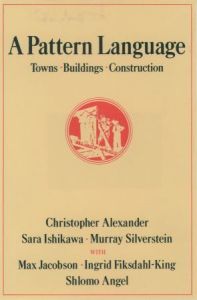
Required Reading: A Pattern Language

I can’t say enough about this book. When I first read A Pattern Language by Christopher Alexander it completely changed my outlook about what the built environment should strive for. The introductory book The Timeless Way of Building highlights the fact that humans are emotional creatures and that architecture should recognize this and be built to enhance the lives of the people that inhabit the places created. “A Pattern Language” takes that fuzzy concept of happiness, comfort and wholeness and details how to achieve it in the built environment with a scope that no book before or since has replicated. This books should be required reading for every architect, urban planner, engineer, and social activist.


Categories: Architecture, Communities, Design, New Urbanism, Resilience | Tags: , , , , | 1 Comment

Blog at WordPress.com.