Architecture

Late Lunch and Learn on the Web: Big Ideas in Small Spaces

Inhabitat, Ford, and the Chicago Architecture Foundation are hosing a live webcast with leading automotive designers and architects to talk about how to make functional and comfortable rooms out of tiny spaces. It will be interesting to see how the seemingly very different worlds of cars and buildings can provide much insight to each other. The Webcast Starts Thursday, June 6th at 12:30PM CDT (1:30 PM EST)

Chicago-Ford_Top Right Image (1)

Categories: Announcements, Architecture, Design, Tiny Housing | Tags: , , , , , | Leave a comment

Resilient Architecture

Resilience: The ability to recover readily from illness, depression, adversity, or the like; buoyancy. That’s what the dictionary says. More importantly though, as climate begins to change and the natural world bombards us with more and more challenges, how will we design our living systems to take these new challenges in stride? Resiliency and Sustainability are two terms we have begun to hear very often especially in building circles, but resiliency often gets replaced with redundancy. Resilience.org has a lot to say about the topic, so I’ll let them be your guide:

Toward Resilient Architectures I: Biology Lessons

OLYMPUS DIGITAL CAMERA

Categories: Architecture, Design, Technology | Tags: , , , , , | Leave a comment

Wild Treehouses in Oregon

Robert Harvey Oshatz designs some wild residences, and these two treehouses in Oregon are just too awesome not to share!

Elk Rock Road Residence

Wilkinson Residence

elkrock Audiophile Treehouse

Categories: Architecture | Tags: , , , , | Leave a comment

Hobbitat Tiny Homes

With the same passions and roots, but a bit more funky than Tumbleweed’s houses; Hobbitat has plenty of creativity to go around. For some tiny inspiration, head over to their website

hobitats

Think Big, Live Small

Categories: Architecture, Tiny Housing | Tags: , , , , | Leave a comment

Tiny Houses

In our current society, everyone places too much value on their personal belongings. We build bigger houses to fit all of our stuff into and we are using energy to heat and cool those posessions. When you pare down what you need down to the bare essentials for daily life and then design your home for only daily life, then what you find is that you need a lot less space.

There are several benefits to living smaller.

  • Home costs much less so you can pay it back in a resonable amount of time.
  • Energy costs are drastically reduced or eliminated.
  • The finishes in your home could be of a lot higher quality.
  • You wouldn’t have to dread moving day.
  • When your expenses are reduced, your house and therefore your job wouldn’t have to tie you down.
  • You could afford to rent larger spaces when having a party or have it outside.
  • Connection with the natural environment is enhanced.
  • Impact on the planet is reduced.

There are a lot more benefits, just ask any 19th century Transcendentalist, early 20th century Arts & Crafts designer, or Tumbleweed Tiny Houses; they all say it better than I.

tubmbleweed

Categories: Architecture, Tiny Housing | Tags: , , , , , | Leave a comment

The Double Envelope Passive Solar Home

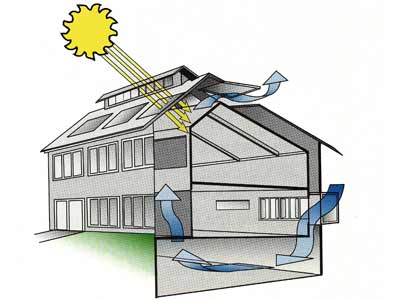
The double envelope passive solar house concept is explained well by Enertia here. The double envelope can obviously be expensive and I believe that is why it has a hard time being adopted as a mainstream building technique, but it can drastically cut energy bills if done correctly. Using the sun as a heat pump and fan while taking advantage of massive walls and southern windows make for a very efficient home indeed.

enertia-building-system-4

Categories: Architecture, Technology | Tags: , , , , , | Leave a comment

Magical Dome House built for $8000

Dr. Suess would be very proud. Amazing details! Imagine living in such a wild structure!

Magical Dome House

Magical Dome House

Categories: Architecture | Tags: , , , , , | 1 Comment

Creating Community in Pocket Neighborhoods

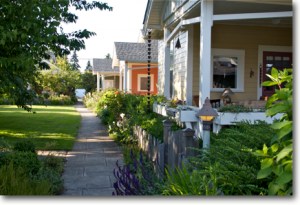
Ever wonder why certain neighborhoods become desirable? It’s not the houses, it’s the way they make us interact with each other.

This isn’t a new concept, but I wish it were more widespread. When will developers realize that you are supposed to build neighborhoods for people, not automobiles? Here’s what Zillow has to say on the topic.

third-street-cottages-de9b39

Categories: Architecture, Communities | Tags: , , , | Leave a comment

Blog at WordPress.com.